Johnstone River
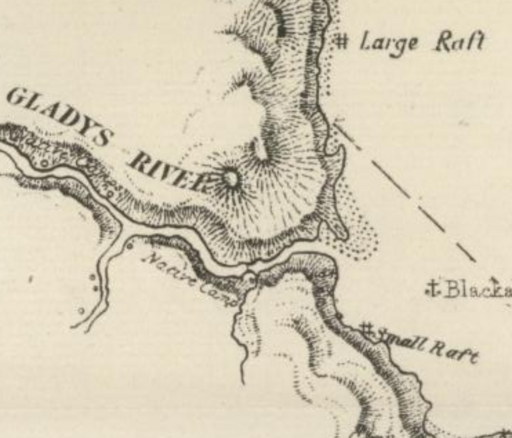
Formed at the confluence of the North Johnstone and South Johnstone Rivers at Innisfail — a location considered sacred by the Mamu people — just under 4 kilometres — as the crow flies — from where it discharges into the Coral Sea south of Flying Fish Point, the Johnstone River was initially named the Gladys when Captain John Morseby encountered the estuary during the search for survivors of the Maria shipwreck in 1872.
When the Queensland Government Northeast Coast Expedition made a more thorough investigation of the area the following year, identifying the river's two branches, George Elphinstone Dalrymple renamed it after Sub-Inspector Robert Johnstone, the commander of the Native Mounted Police detachment at Cardwell, who accompanied both parties.
After Dalrymple's favourable report on the area's agricultural potential, the first sugar cane plantation and mill were established at Innisfail, then known as Geraldton, in 1881.